

This spring we continue our journey through breaking down the 10 Principles of Intuitive Eating. I’d like to continue that voyage with you and pick up where we left off and dive deeper into principle 6 (Discover the Satisfaction Factor) and 7 (Cope with Your Emotions Through Kindness).
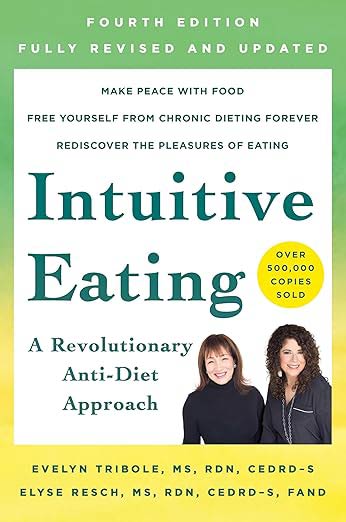
To reiterate, authors Evelyn Tribole, and Elyse Resch first published their book The 10 Principles of Intuitive Eating in 1995 and since then it has been pivotal in the world of eating disorder treatment and the anti-diet-culture. Now in its 4th edition, it continues to be a popular and life-changing approach for so many – including us!
Principle 6 — Discover the satisfaction factor
What this means simply put…
- Satisfaction = pleasure + permission + context. It’s not about “treating” yourself once in a while; it’s about making eating enjoyable enough that it feels complete.
- When meals are satisfying, cravings and “binge” urges usually decrease.
Signs you’re missing satisfaction
- You finish a meal and still feel driven to keep eating.
- You focus on only one food (e.g., “I need chocolate”) and ignore everything else.
- You feel guilty when you enjoy food, or you eat quickly without noticing the taste.
Quick 6-step satisfaction practice (10–15 minutes)
Continue until you feel comfortably satisfied, not stuffed.
Choose something you genuinely want (not just “should”).
Before you eat, pause 30 seconds: breathe, look at the food, and give yourself permission to enjoy it.
Take one deliberate, moderate-sized bite. Notice texture, temperature, taste — name one detail (“that’s sweet and nutty”).
Chew slowly and breathe between bites. Aim for at least 10–15 chews per bite.
After three bites, pause and rate satisfaction 0–10. If it’s below a 6, ask: would a change (more salt, sauce, different texture) help?
Ideas to increase satisfaction
- Set the scene: use a real plate, sit at a table, turn off screens or choose to eat with someone you enjoy.
- Add variety: combine flavors and textures (crunch + creamy, savory + sweet).
- Portion intentionally: serve a portion you expect will satisfy you rather than eating straight from the package.
- Savor rituals: start with a small sensory cue (a deep breath, a four-second look at the food) to shift into eating mode.
Troubleshooting common problems
– “I still overeat.” Check pace (eat slower), portion size, and whether you were truly hungry before starting.
– “I feel guilty.” Practice a short self-compassion script: “It makes sense I would want to enjoy this. Enjoyment doesn’t mean failure.”
– “I can’t focus on food.” Start with tiny steps — one minute of mindful noticing and build up.
Principle 7 — Cope with your emotions with kindness (practical tools)
What this means simply
- Food can numb or soothe feelings; Principle 7 helps you notice that and develop other ways to care for yourself.
- This isn’t about rigid rules; it’s about learning what you need in the moment and choosing from a range of caring responses.
How to tell emotional hunger from physical hunger (quick checklist)
Emotional hunger tends to be:
- Sudden
- Craving a specific food
- Urgent and hard to postpone
- Not satisfied by a full meal
Physical hunger tends to be:
- Builds gradually
- Open to many foods
- Satisfied when you’re full
5-step coping plan (useable anywhere)
1. Pause: Put the food down or stop reaching for it for 30 seconds.
2. Breathe: Take 3 slow breaths to create a small space.
3. Name it: Say to yourself, “I’m noticing [bored/lonely/angry/tired].”
4. Choose: Pick one non-food coping action for 10 minutes (call a friend, walk, grounding exercise, do a crossword).
5. Reassess: After 10 minutes, check your emotion and hunger. Decide gently whether to eat and, if you do, use the satisfaction steps above.
Urge-surfing (brief version)
– Notice the craving as a sensation (tight chest, rumbling).
– Say silently: “This is an urge. It will change.”
– Focus on breath or count to 10 until the urge drops by even 1–2 points.
Self-compassion phrases to practice
– “It’s okay to feel this. I’m allowed to take care of myself.”
– “I’m doing the best I can right now.”
– Use a physical cue (hand on heart) when you say the phrase.
When to reach out for more support
- If emotional eating comes with severe shame, frequent loss of control, or if your eating patterns are causing health problems, consider working with a therapist who specializes in eating issues.
- If you have a history of an eating disorder, these practices are best used with professional guidance.
Final notes — be curious, not strict
– The goal isn’t perfect control; it’s learning what helps you feel satisfied and cared for.
– We don’t want to rid ourselves of all emotional eating instances – eating emotionally is a part of life, but let’s be mindful of the intention behind it (i.e. are we celebrating a birthday with cake or eating a food item out of an emotion we are uncomfortable with)
– Small experiments and gentle curiosity are how you’ll discover what works for you.
– Celebrate small wins: a meal that truly satisfies, choosing a coping skill that helps, or noticing urges with less judgment.
All content adapted from The 10 Principles of Intuitive Eating by Elise Resch and Evelyn Tribole
If you feel like you would like to have a further discussion on this topic, please contact our team to schedule a session.